

Apple Intelligence, unveiled as a core feature across iOS, iPadOS, and macOS, represents more than just a set of new features; it is a profound philosophical shift in how Apple integrates Artificial Intelligence (AI) into the lives of its users. Unlike other large language models that primarily live in the cloud, Apple’s approach is designed to be deeply personal, contextual, and intensely private. This system transforms devices from static tools into proactive, indispensable assistants that understand your life, manage your priorities, and communicate on your behalf.
The Foundation of Personal Intelligence
At its core, Apple Intelligence is defined by its ability to understand the user’s personal context without compromising their privacy. This is achieved through a multi-layered approach to processing and data security.
Contextual Awareness
The AI’s power comes from its seamless access to and understanding of your personal data graph—the web of information spread across your device, including your calendar, contacts, photos, emails, and recent conversations.
- Cross-App Actions: The system can perform complex tasks across different apps. For example, you can tell Siri, “Send my wife the photo I took yesterday at the lake,” and the AI correctly identifies:
- Who your wife is from your contacts.
- Which photo based on the date, time, and content tags.
- Where the photo is located and initiates the messaging action.
- Notification Prioritization: It sifts through the daily clutter of alerts, determining which notifications are truly urgent (like a family emergency or a delayed flight) and surfacing them, while intelligently summarizing less critical alerts.
Private Cloud Compute: Trust by Design
To handle computationally intensive requests that exceed the capacity of on-device chips, Apple introduced Private Cloud Compute (PCC)—a groundbreaking, auditable system designed for privacy.
- On-Device First: The majority of simpler tasks are handled directly on your iPhone, iPad, or Mac, ensuring that your most sensitive data never leaves your device.
- Secure Scaling: When a request is sent to PCC servers, the data is not stored or accessed by Apple. The servers use custom silicon and cryptographically verify that they are running only publicly inspectable code, effectively creating a “zero-knowledge” environment where trust is mathematically guaranteed.
Elevating Writing and Communication
One of the most immediate and useful applications of Apple Intelligence is its suite of tools designed to enhance writing across mail, notes, and third-party apps.
The Intelligent Writing Toolkit
These features appear natively wherever you type, helping you communicate more clearly and professionally.
- Rewrite: Instantly generates alternative versions of your text, allowing you to easily adjust the tone (e.g., formal, friendly, professional) or complexity of your message.
- Proofread: Automatically checks for grammar errors, misused words, and syntax issues, providing real-time suggestions to polish your writing before you hit send.
- Summarize: Effortlessly condenses long documents, lengthy email threads, or dense articles into concise bullet points or a short paragraph summary, saving time and clarifying key takeaways.
New Capabilities for Siri and Creation
The AI infusion culminates in a fundamentally redesigned and more capable Siri, along with exciting new generative tools for creativity.
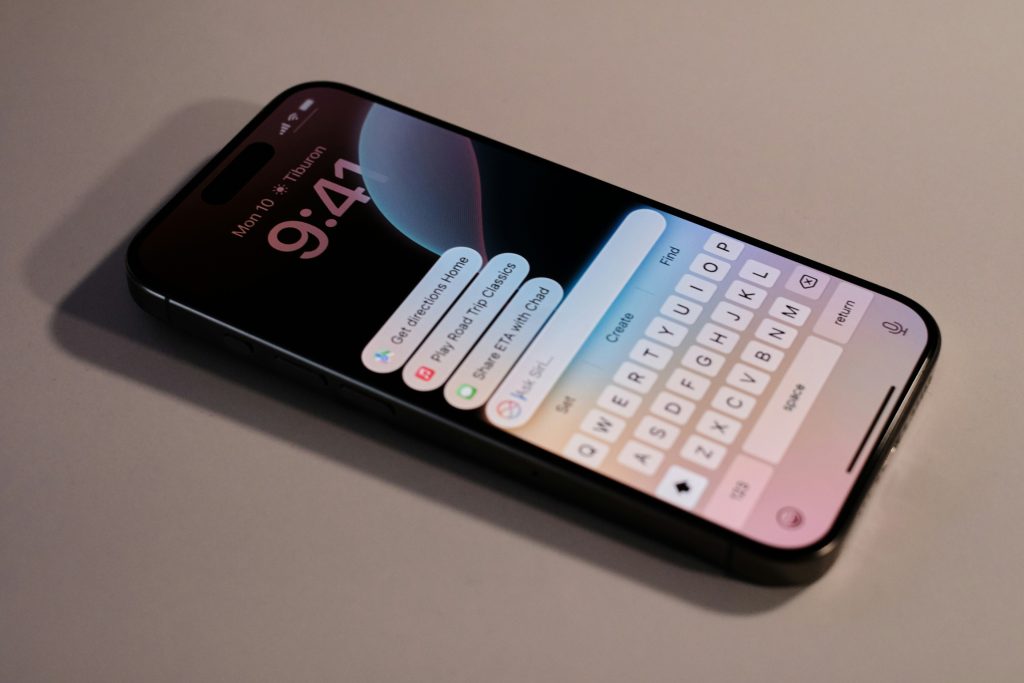
- Siri Gets Smarter: The voice assistant becomes context-aware, can maintain a conversational thread, and can perform actions within and across apps based on what’s on your screen. You can ask Siri, “Look up the address on this website and add it to a new event.”
- Image Playground: A new tool for creating fun, customized images—in styles like Sketch, Illustration, and Animation—right on your device for use in messages and notes. It emphasizes casual, creative communication rather than photorealism.
- Genmoji: Users can create custom emojis based on text prompts. If a standard emoji doesn’t capture the feeling, you can simply describe it and have a unique, expressive Genmoji generated instantly.
Apple Intelligence marks a significant step toward truly personal computing, where the software anticipates needs and executes complex tasks while firmly safeguarding the user’s most valuable asset: their privacy.

The Rise of AI Agents: What’s Next After ChatGPT?

How Quantum Computing Is Reshaping Data Security

5 Underrated Tools Every Remote Developer Should Know About