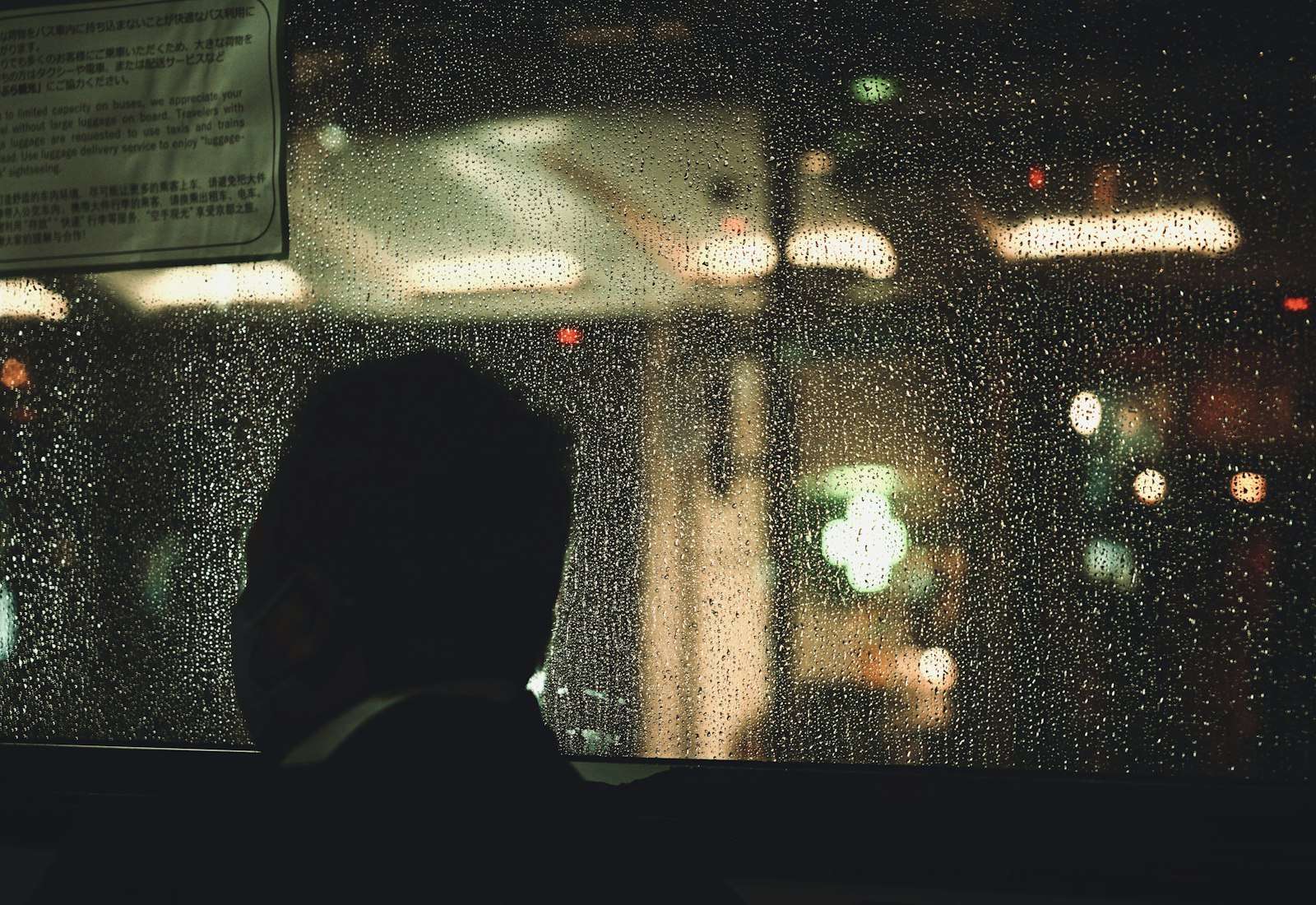
The last regular bus leaves the centre at 11:48. After that, the city runs on the night routes, and the busiest of them is the 41, which crosses from the hospital district to the industrial estate and back, every twenty minutes, until five.
I rode it for four nights. These are my notes.
Who rides at two
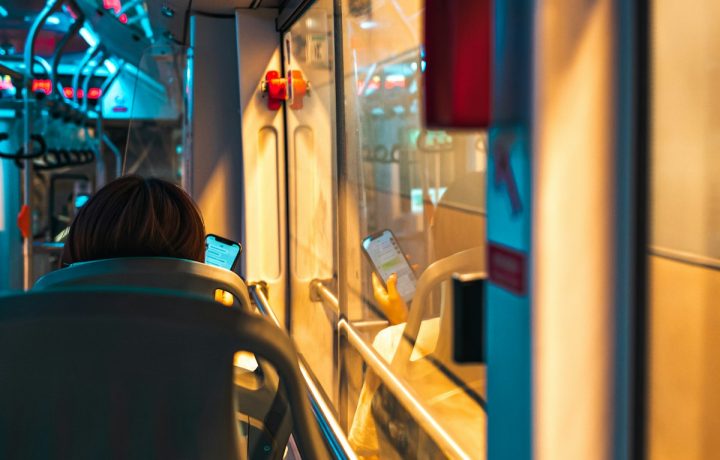
At midnight the bus is full of people going home: bar staff, late diners, a few students. By two it has changed completely. Now it carries people going to work: nurses for the early shift, bakers, the cleaners for the office towers, a man who services the escalators in the metro while it is closed.
The night riders know each other by sight and mostly do not speak. There is an etiquette: the front seats are for the older cleaners, nobody plays music aloud, and if someone falls asleep, the person next to them wakes them at their stop. I saw it happen three times.
Nobody asks. You just know where they get off.
A baker who rides the 41 at 2:20 every night
The city it reveals
Night routes are where a city shows who it depends on. Every one of the people on the 2:20 does a job the daytime city takes for granted, and every one of them would be stuck without a bus that most daytime riders do not know exists.
The 41 is also the route most often cut. It costs more per rider than any day route, and in three of the last five budgets it has been proposed for reduction. Each time, it was saved by a petition of a few hundred names, most of them collected on the bus itself, at night.
Until Tuesday,
Rafael