By noon the market on Kettle Street is gone. The awnings come down, the crates go into vans, a man with a hose washes the cobbles, and by half past twelve you could not tell that two hundred people were buying oranges there an hour before. Visitors assume it is the heat. It is not the heat.
A rule older than anyone selling
The noon close is written into the market’s licence, which dates from 1911 and has been renewed, word for word, ever since. The reason was traffic: the street was the main road to the docks, and the carts had to be gone before the afternoon wagons came through. The docks closed in 1974. The rule stayed.
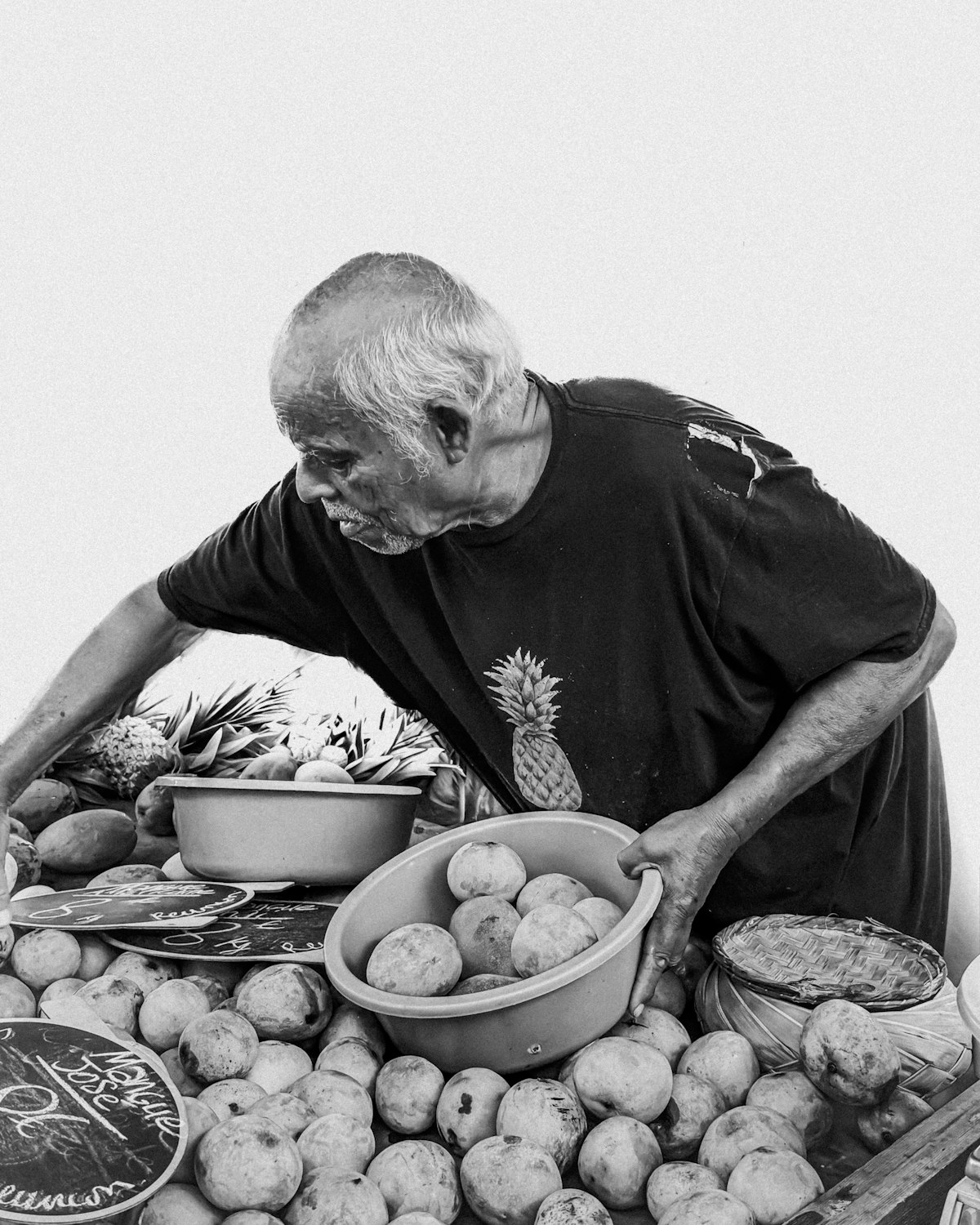
Tomás, who sells fruit from the third pitch on the left, has worked the market since he was nine. “My grandfather packed up at noon because of horses,” he said. “I pack up at noon because of my grandfather.”
My grandfather packed up at noon because of horses. I pack up at noon because of my grandfather.
Tomás, third pitch on the left
Who the morning suits
A market that ends at noon is a market for people who are free in the morning: the retired, shift workers coming off nights, parents after the school run, restaurant cooks buying for lunch. It is not a market for anyone with an office job. Twice the council has proposed an evening market to change that, and twice the stallholders have voted it down.
Their reasons are practical. Fruit bought at five in the morning from the wholesale yard is at its best by ten. By six in the evening it is a different, softer fruit, and the stallholders know their customers would notice.
The afternoon street
The thing I like best about the noon close is what happens after it. For the rest of the day Kettle Street is a wide, quiet, slightly wet place where children ride bikes and old men sit on the kerb in the sun. The market gives the street a morning, and then gives it back.
Until Tuesday,
Rafael