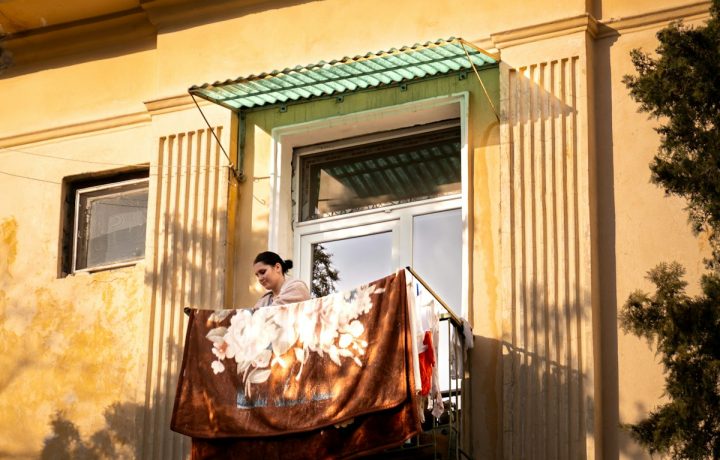
Linden Row is one hundred and forty metres long, has twenty-two front doors and, by my count, one hundred and six windows facing the street. For a month I tried to learn who lives behind ten of them. This is what I found, window by window, with their permission.
The window with the laundry line
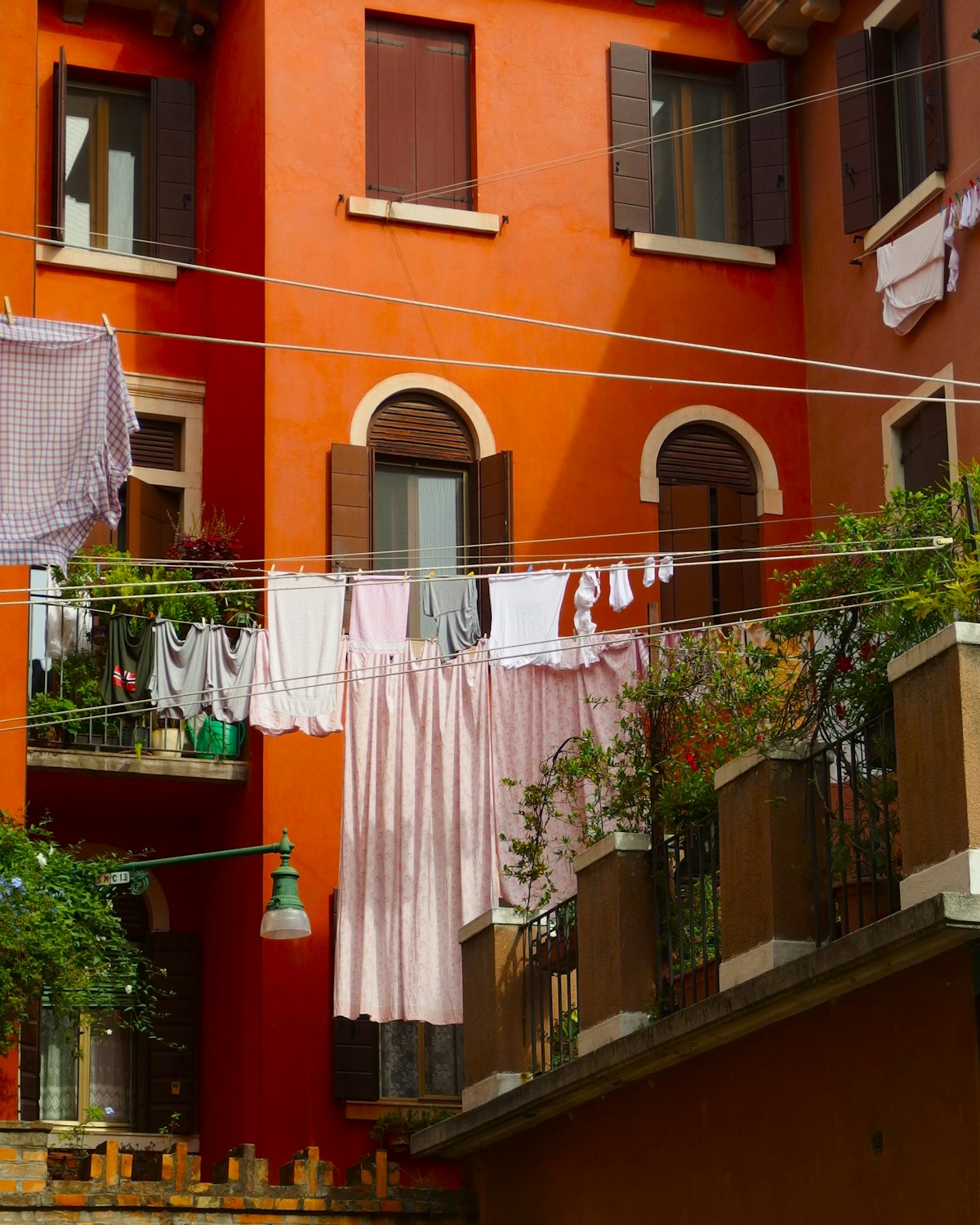
Third floor, number 6. A line runs from the window frame across the courtyard to the building opposite, on a pulley, and on dry days it carries the washing of two households. Neither family remembers who put it up. Both oil the pulley.
The window that is always open
Ground floor, number 11. Ana teaches piano and keeps the window open from April to October so the street can hear the lessons. Passers-by stop for scales, she says, but never for the pieces. “People like to watch someone struggle.”
The window with nobody behind it
Second floor, number 14, has had the same curtain drawn for six years. The flat belongs to a company registered abroad and has never been let. On a street where a one-bedroom flat now takes four months to find, the empty window is the one everybody mentions first.
Everybody knows that window. It is the only one on the street that never changes.
A neighbour at number 15
The windows with plants
Numbers 17 to 21 have a running competition in geraniums, judged by nobody and won every year by number 19. The prize is the competition. Two of the five households moved in after the competition started and joined within a week.
What the windows add up to
The ten windows hold twenty-three people, four cats, one canary, a piano, a workshop that repairs radios and one empty room. They also hold most of the street’s memory: who lived where before, which flats flood, which landlord answers the phone.
That memory is why streets like this one last, and also why they are fragile. Every flat that becomes a short let or an empty investment takes a window out of the conversation. Linden Row has lost three in five years. It can probably lose a few more. Nobody knows how many.
A note on method
Everyone named here agreed to be named, and everyone saw what I wrote about their window before it went out. Two households asked not to be included, and are not. The count of windows is mine and may be off by one: number 8 has a window that might be a door.
Until Tuesday,
Rafael