Skip to content

What the river remembers

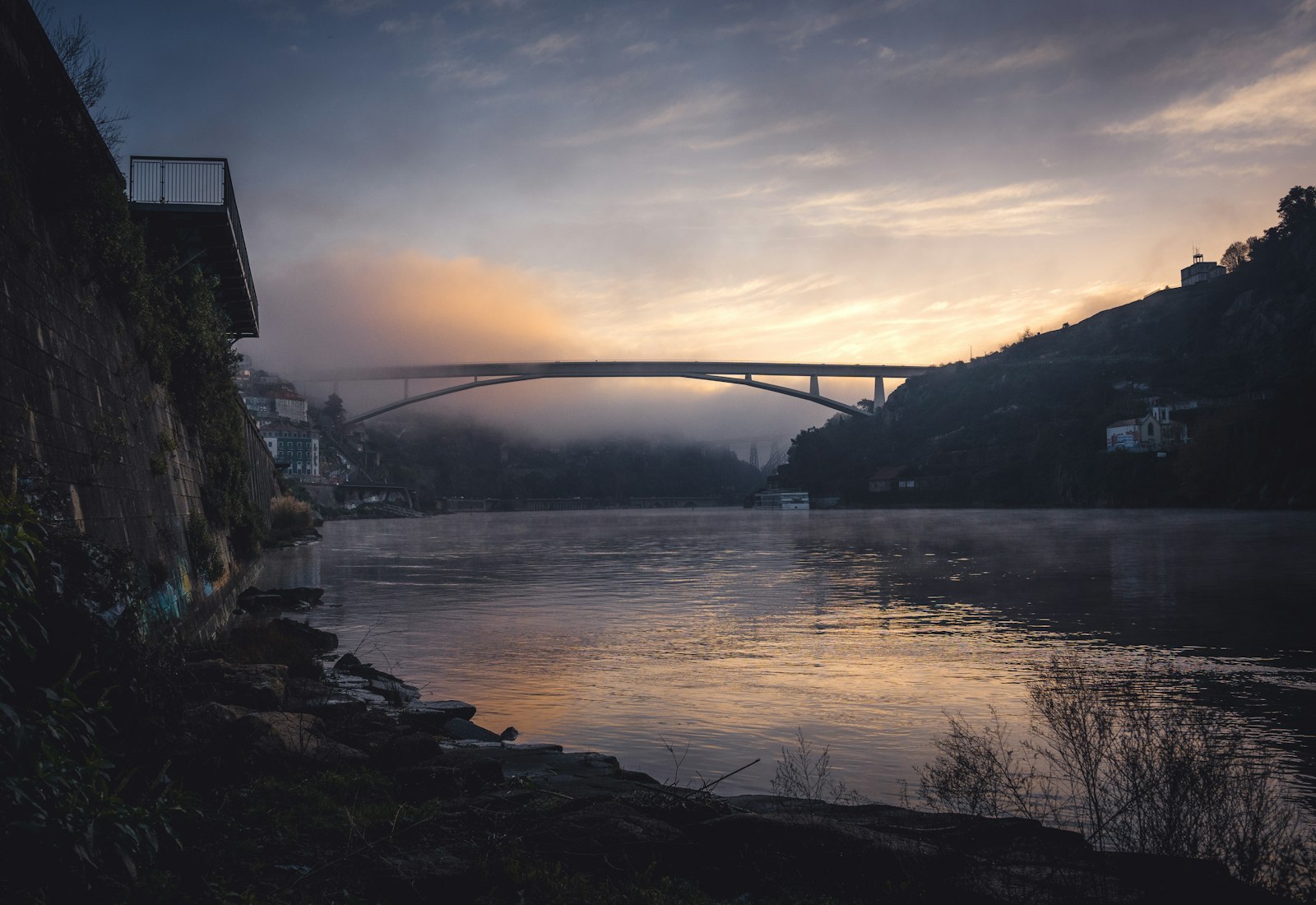
A misty river at sunrise under a long arched bridge, the bank dark in the foreground

I wrote this at six in the morning on the stone steps below the arched bridge, where the fog sits on the water until the sun is high enough to lift it. For most of the city’s history, nobody would have chosen to sit here.

The back door

Rivers in industrial cities were back doors: where the tanneries emptied, where the coal barges unloaded, where the city put everything it did not want to look at. The best houses faced away from the water. The street names still show it: Tanner’s Lane, Lime Wharf, Dye House Steps.

When the industry left, the river was cleaned, slowly, over forty years. The fish came back first, then the rowers, then the developers. Now the most expensive flats in the city face the water, and the streets behind them have been renamed.

Who gets the view

A cleaned river is a public good that turns very quickly into a private view. The old wharves have become apartment blocks with gated gardens running down to the bank. Where the city kept a path, the river is everyone’s. Where it did not, it belongs to whoever could afford the first floor.

We fought to clean it. Then we had to fight to be allowed to walk next to it.

A member of the river path campaign, founded 1988

The path campaign has won back about two thirds of the bank. These steps are part of the last third. They were opened last spring, and this morning, at six, I had them to myself.

Until Tuesday,
Rafael

P.S.

If this letter was forwarded to you, the next one can come straight to you. Tuesday, seven in the morning.

Earlier letters

Inside a city bus in late-afternoon light: a passenger by the window, gold light on the seats and rails

The bus that waits for you

On the 9, the driver waits for the woman with the bread. Nobody on board minds. A letter about the timetable nobody prints.
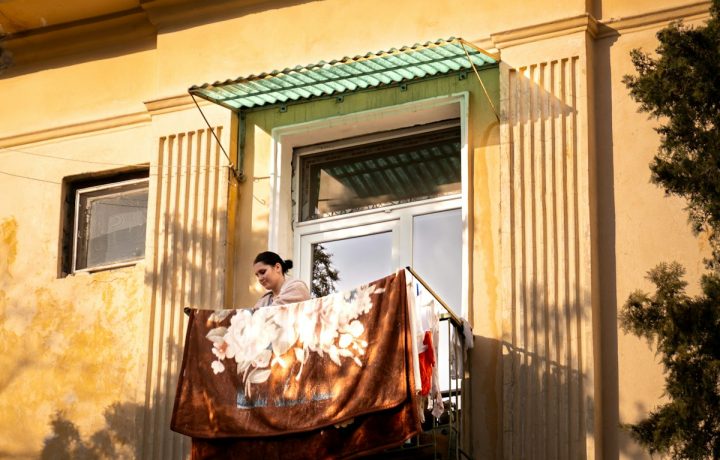
A woman airing a floral blanket over the railing of a balcony on an old yellow apartment building

The woman on the yellow balcony

Every Saturday at nine she airs the same blanket over the same railing. A paid issue about the faces buildings show the street.
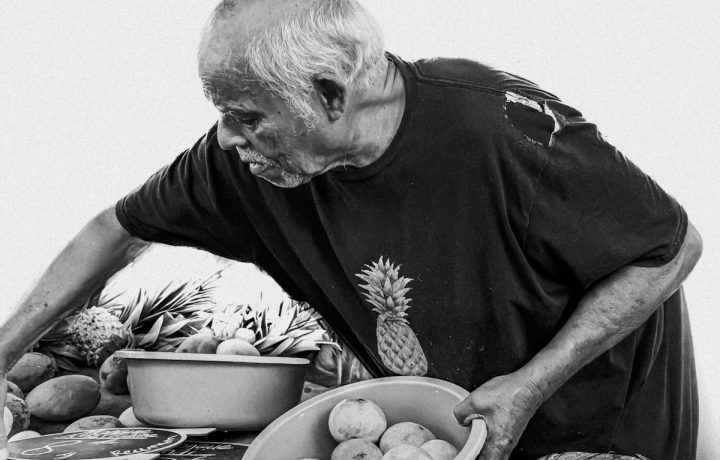
An older stallholder bending over his fruit, arranging oranges and a pineapple, in black and white

Why the market closes at noon — Image Default layout

The fruit stalls are packed away by twelve, every day, and have been for a century. It is not about the heat.
×
Before you go

Tuesday mornings,in your inbox.

One letter a week about a street, a bus route or a market, and the people who keep it going. Free, from a real person, and one click to leave.

41,200 readers · every Tuesday at 7
×
The Tuesday letter

Tuesday mornings,in your inbox.

One letter a week about a street, a bus route or a market, and the people who keep it going. Free, from a real person, and one click to leave.

41,200 readers · every Tuesday at 7
Black Friday Build this site with Jupiter X from $40.60, until Nov 30. Get the deal See all templates